In October 2022, Bwindi Community Hospital (BCH) launched a groundbreaking peer support
system to strengthen care for individuals living with Mental, Neurological, and Substance Use
(MNS) disorders. The initiative began modestly—covering five sub-counties and working through
15 dedicated peer supporters. These peers, many of whom had personal experiences with mental
health challenges, were trained to provide psychoeducation, psychological first aid, and referrals
to nearby health centers. Over time, their impact was profound. By June 2025, the evaluation
results revealed that this network of peers was reaching an average of 250 patients directly, while
providing psychoeducation to approximately 2,000 community members. Their work not only
helped individuals recognize mental health problems early but also encouraged more people to
seek care at health facilities—especially at BCH.
The following story illustrates how this initiative has worked on an individual level:
Robert from Murushasha Village, Mpungu Sub County is a peer supporter whose compassion and consistency inspired others to open up about their struggles.
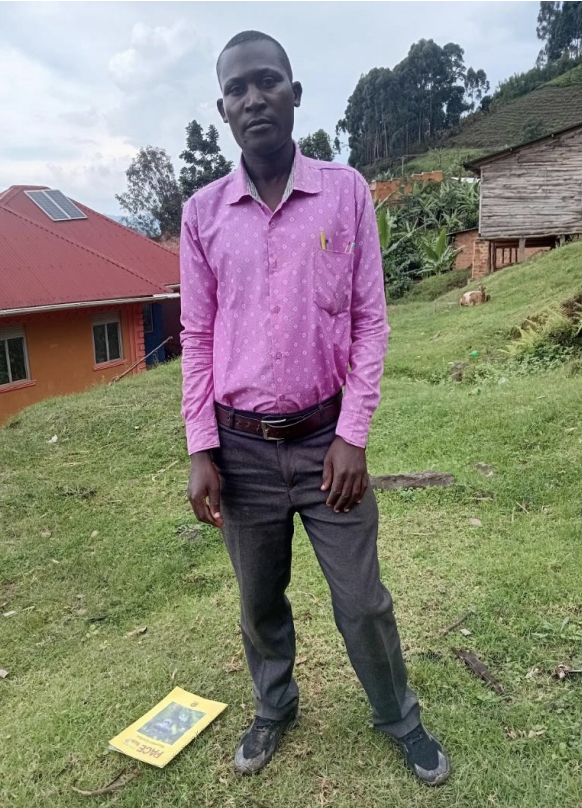
His experience with mental illness started in 2018 when he was restrained cruelly on and off with manacles and ropes. In 2021 he got in touch with Bwindi Community Hospital mental health outreach team in his sub county and was started on psychotropic medication.
He complied with medical guidance and was recruited and trained as a peer supporter
in October 2022. His testimony and commitment to his work reflects the power of lived
experience—transforming stigma into understanding, and isolation into community connection.
The success of the program has been so significant that Bwindi Community Hospital has decided
to expand it to all eight sub-counties in its catchment area. This move demonstrates a powerful
truth: when people with lived experience are empowered to support one another, recovery becomes a shared journey rather than an individual struggle.
The Bwindi peer support model has proven that community-driven approaches can play a vital
role in improving mental health outcomes. By trusting peers to be part of the solution, BCH has
ignited hope, strengthened service uptake, and built a sustainable foundation for mental well-being
in the community. The expansion of this program marks not just growth in numbers—but growth
in compassion, understanding, and resilience.
 reachbwindi.com